Wondering how to compare Park Shore gulffront condos when so many buildings seem similar at first glance? If you are searching for a Naples beachfront lifestyle, the details matter more than the postcard view. This guide will help you sort through the real differences in Park Shore so you can evaluate buildings with more clarity and confidence. Let’s dive in.
What Makes Park Shore Unique
Park Shore sits west of US 41 along the Gulf in Naples and was developed in the 1970s and 1980s. According to the Park Shore Association, the neighborhood includes more than 600 single-family homes and 25 high-rise condos across five plats.
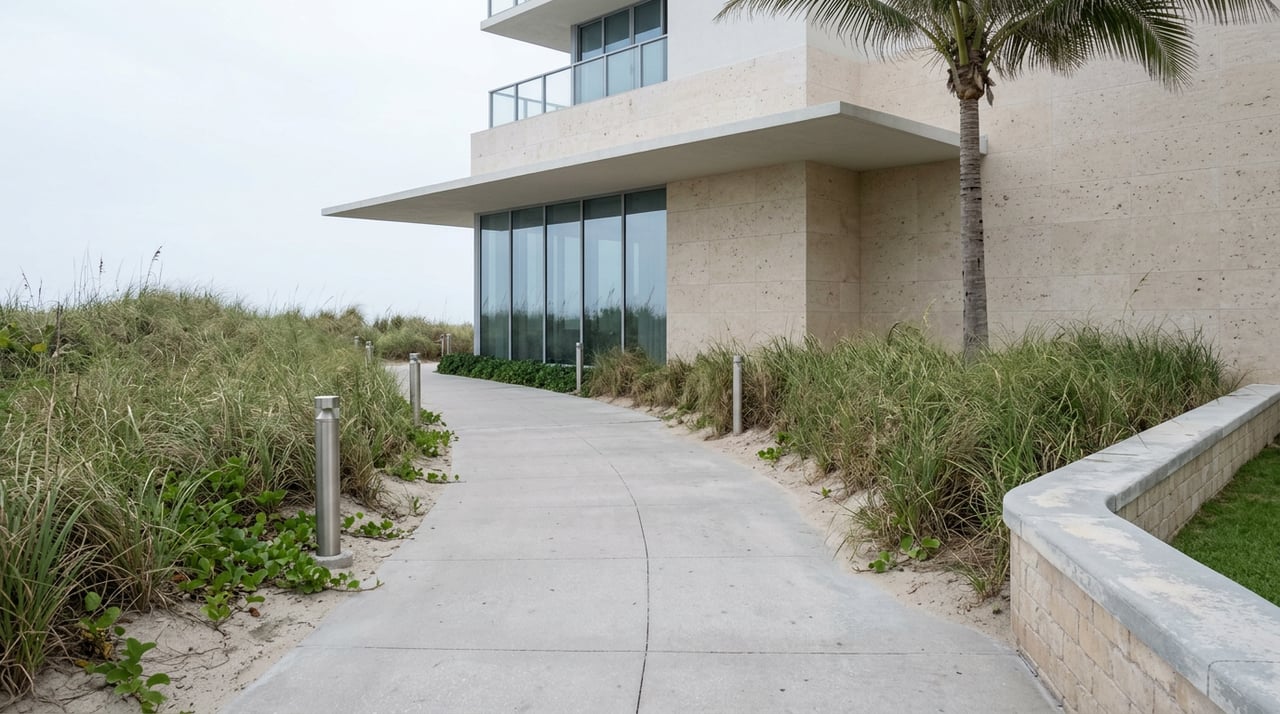
For condo buyers, one of the biggest takeaways is that not every Park Shore condo is truly gulffront. Some buildings sit directly along the beach side of Gulf Shore Boulevard, while others may face Venetian Bay, the marina, or landscaped areas. That means your location within Park Shore can shape your views, access, and overall day-to-day experience.
Why “Gulffront” Needs a Closer Look
When you start touring condos in Park Shore, it helps to go beyond the listing headline. A unit may be marketed around Gulf living, but the actual orientation of the unit and the building can be very different from one property to the next.
Some buildings emphasize direct west-facing Gulf views, while others offer east-facing Venetian Bay views from certain stacks. In practical terms, that means two condos with similar square footage and pricing can deliver very different sunlight, privacy, and scenery.
View Orientation Matters
In Park Shore, view orientation is one of the most important details to confirm before you make an offer. West-facing residences may focus on Gulf sunsets, while east-facing units may capture bay views and morning light.
This matters because a building can be on the beach and still have units with very different outlooks. If a specific view is a priority for you, it is important to evaluate the exact stack and floor level, not just the building name.
Beach Access Is Not the Same as a View
A great view does not always mean the same beach access setup. Some Park Shore owners may be eligible to join the Raymond L. Lutgert Beach Park, a private beachfront park for Park Shore Association members.
For 2026, the Park Shore Association lists a $1,000 initiation fee and $300 annual dues for membership. Access requires an active membership card whether you arrive by car, bike, or on foot.
Comparing Park Shore Building Types
One of the smartest ways to navigate Park Shore is to compare buildings as distinct products. The neighborhood includes high-rise beachfront towers, as well as lower-rise and bayfront communities that offer a different style of living.
That comparison should include more than square footage and price. You will also want to look at building scale, staffing, amenities, exposure, and whether boating or simpler maintenance is part of the appeal.
High-Rise Gulffront Towers
Beachfront towers in Park Shore often compete on views, service, and amenity depth. For example, Allegro describes a 76-unit beachfront association with floor-to-ceiling windows and both Gulf and Venetian Bay views depending on the residence.
Solamar highlights a different amenity profile that includes 24-hour manned front desk staffing, access control, guest suites, a social room, library, fitness and wellness areas, pool and spa, tennis, and grills. These details matter because they shape both your lifestyle and your monthly ownership costs.
Low-Rise and Bayfront Options
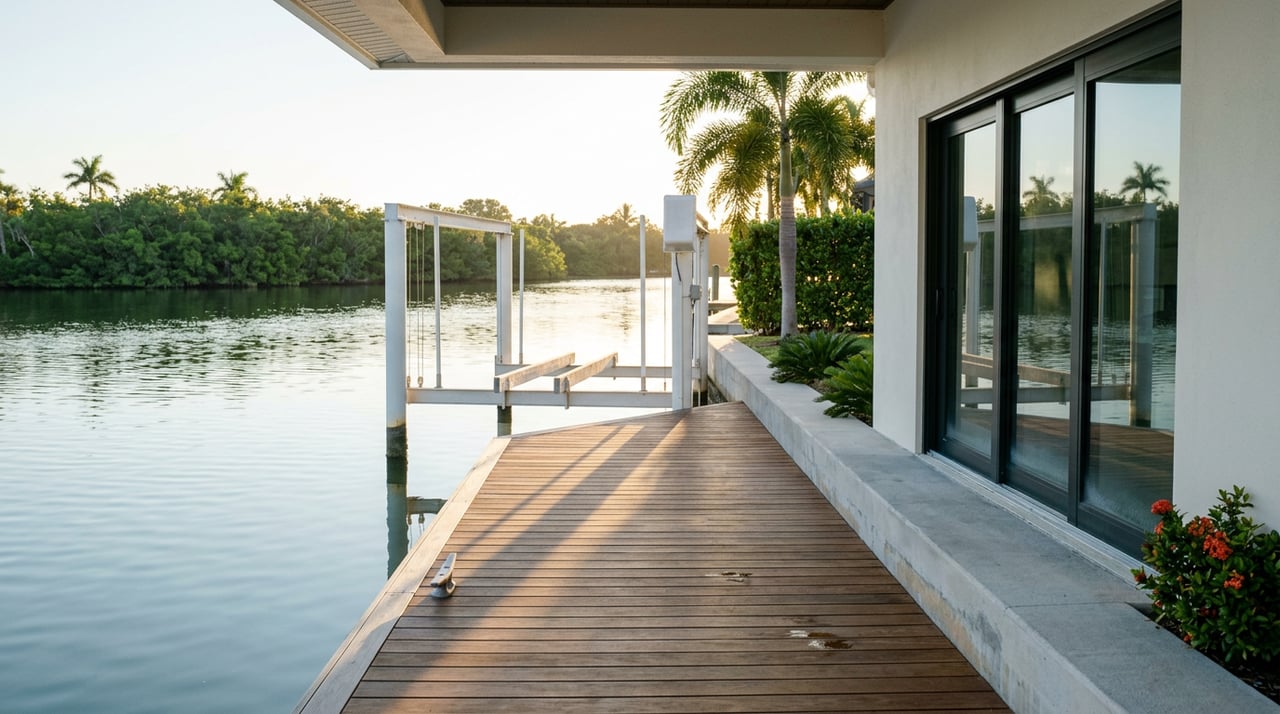
Park Shore also includes lower-rise communities that offer a quieter scale. Park Shore Landings, for example, describes four buildings with 72 units, covered parking and storage, a pool, hot tub, party room, 36 boat slips, and a boardwalk along Venetian Bay.
Owners there also have access to the Park Shore Beach and parking facility through the private gated Park Shore Association Beach Park. For some buyers, that balance of bayfront living and beach access may feel more practical than a full-service high-rise.
What Condo Fees Really Reflect
In Park Shore, monthly condo fees can vary widely from one building to another. Florida law defines common expenses broadly, including operation, maintenance, repair, replacement, or protection of common elements and association property, along with costs of carrying out association duties.
That is why it helps to read the fee structure in context. A building with front desk staffing, guest suites, fitness spaces, pools, and larger common areas may naturally carry a different expense profile than a simpler building with fewer shared amenities.
Questions To Ask About Fees
Before you move forward, ask exactly what is included in the monthly condo fee. This is one of the clearest ways to compare value from one building to another.
Use this checklist as a starting point:
- What does the monthly condo fee include?
- Are water, sewer, cable, internet, staffing, storage, or reserve contributions billed separately?
- Are any special assessments pending or already approved?
- Is Park Shore Association membership included, optional, or not relevant for this building?
- What are the parking, pet, rental, and renovation approval rules?
Why Older Coastal Buildings Need Extra Diligence
Many Park Shore condos were built decades ago, and that makes due diligence especially important. In older coastal buildings, reserve planning and inspection requirements deserve careful review before you commit.
Florida now requires structural integrity reserve studies every 10 years for residential condominium buildings that are three habitable stories or higher. These studies must address major components such as the roof, structure, fireproofing or fire protection, plumbing, electrical systems, waterproofing or exterior painting, and windows or exterior doors.
Milestone Inspections and Reserve Studies
Separate milestone inspections are also required for condo and co-op buildings that are three stories or higher at 30 years. Local agencies may require them at 25 years due to local conditions, including proximity to salt water.
For Park Shore buyers, that means you should not assume every building is in the same position. One building may already have completed required work and funding plans, while another may still be moving through inspections, reserve planning, or improvement schedules.
Required Buyer Disclosures
Florida law gives buyers access to important condominium documents. These include the declaration, articles, bylaws and rules, annual financial statement and budget, milestone summary if applicable, and the most recent structural integrity reserve study, or a statement that none exists.
After December 31, 2024, Florida contracts can be voidable if those disclosures were not provided as required. That makes document review a key step, not just a formality.
Public Beach Access Backup Options
Even if you expect to use private association access, it is helpful to understand the public beach options nearby. Access patterns, parking convenience, and restoration work can affect how easy a beach day feels.
North Gulfshore Beach Access includes a walkway between Seagate and North Gulf Shore Boulevard, along with 38 parking spaces. Clam Pass offers 171 parking spaces, a three-quarter-mile boardwalk to the beach, and a free tram.
For both locations, the fee is $10 to park without a Collier County resident beach parking permit. The City of Naples also continues a multi-phase beach access restoration program, so routes and parking conditions can change over time.
How To Compare Park Shore Condos Well
The strongest Park Shore purchase decisions usually come from careful comparisons, not quick assumptions. Even within the same neighborhood, buildings can differ in major ways that affect lifestyle, carrying costs, and long-term comfort.
As you narrow your options, focus on the factors that truly shape ownership:
- Exact Gulf, bay, or mixed exposure
- Building age and maintenance history
- Amenity complexity and staffing level
- Private beach membership options
- Public beach access convenience
- Reserve health and inspection status
- Rules for rentals, pets, parking, and renovations
- The specific stack and floor that deliver your preferred view
A Smart Approach For Buyers
If you are considering a gulffront condo in Park Shore, it helps to slow the process down and compare each building on its own terms. Park Shore works best when you treat each condo community as a distinct product, not as an interchangeable version of the same address.
That kind of careful approach can help you avoid surprises and feel more confident in your decision. In a market where details matter, clear guidance and neighborhood-level insight can make all the difference.
If you are weighing the tradeoffs between beachfront towers, bayfront options, fees, access, and long-term value in Park Shore, Don Winkler offers the local perspective and steady guidance to help you move forward with confidence.
FAQs
What is the difference between a Park Shore gulffront condo and other Park Shore condos?
- A true gulffront condo is directly positioned along the Gulf, while other Park Shore condos may face Venetian Bay, the marina, or landscaped areas and still share the same central Naples location.
What should you review before buying a Park Shore condo?
- You should review the condo fee structure, association documents, annual financials, budget, milestone inspection summary if applicable, reserve study information, rules, and any pending or approved special assessments.
Does Park Shore condo ownership include private beach access?
- Not automatically in every case. Property owners of residential condominium units within Park Shore may be eligible to join the Park Shore Association and access the private Raymond L. Lutgert Beach Park, subject to membership requirements and dues.
Why do Park Shore condo fees vary so much?
- Fees can vary based on the building’s staffing, amenities, maintenance obligations, reserve funding, and the overall complexity of the property.
What public beach access options are near Park Shore condos?
- Nearby public options include North Gulfshore Beach Access and Clam Pass, both of which have paid parking for visitors without a Collier County resident beach parking permit.
Why are inspections and reserves important for Park Shore condo buyers?
- Many Park Shore buildings are older coastal properties, so milestone inspections, structural integrity reserve studies, and reserve funding can play a major role in future costs and your understanding of the building’s condition.